KanBo – The Pharma-Focused Work Coordination Maestro
Experience ultimate task alignment, communication and collaboration
Trusted globally, KanBo, bridges the gap between management and engineering in complex pharmaceutical organizations. Seamless coordination, advanced project planning, and outstanding leadership are made possible through our versatile software. Stride toward your mission-critical goals with superior collaboration and communication.
KanBo Revolutionizes Work Coordination in the Pharmaceutical Industry through Advanced Software Solutions
Introduction:
In today’s rapidly evolving pharmaceutical industry, effective work coordination, seamless communication, and efficient task alignment are paramount for organizations striving to stay competitive. KanBo, a leading work coordination and business process management software, is revolutionizing the way pharmaceutical companies streamline operations, enhance cross-functional collaborations, and upgrade leadership efficiency. By providing a comprehensive overview of the project lifecycle, KanBo ensures effective resource allocation, timeline creation, and task assignment while offering real-time visibility into operations. In this article, we will explore how KanBo aims to enhance work coordination in the pharmaceutical industry through its innovative software solutions.
KanBo: Empowering Pharmaceutical Enterprises with Advanced Work Coordination
KanBo’s software is specifically tailored to the unique needs and challenges faced by pharmaceutical companies. By focusing on task alignment, communication, and collaboration, KanBo aims to streamline operations and improve cross-functional collaborations within the industry.
1. Task Alignment:
KanBo enables pharmaceutical organizations to seamlessly coordinate tasks across functions, departments, and teams. Through its intuitive interface, users can easily define and assign tasks, establish dependencies, and track progress. The software ensures efficient project planning, preventing delays and minimizing bottlenecks. By aligning tasks effectively, KanBo helps organizations maintain a strong internal control environment, ensuring compliance and data integrity.
2. Communication and Collaboration:
Effective communication is vital in the pharmaceutical industry, where multiple stakeholders are involved in complex projects. KanBo provides a centralized platform for secure and transparent communication, allowing teams to collaborate in real-time. Features such as instant messaging, task comments, and file sharing facilitate seamless collaboration and knowledge sharing across teams, regardless of geographical locations. By fostering effective communication, KanBo eliminates miscommunications, mitigates risks, and improves overall productivity.
3. Real-time Project Visibility:
KanBo enhances leadership efficiency by providing real-time project visibility. Through its dashboards and reports, executives and project managers gain instant insights into project progress, resource allocation, and bottlenecks. This empowers decision-makers to make data-driven decisions, optimize resource allocation, and proactively address issues. Real-time project visibility elevates leadership effectiveness, allowing for greater oversight and accountability.
4. Aid in Pharmaceutical Engineering Tasks:
Pharmaceutical engineering involves complex and highly regulated processes. KanBo aids in this aspect by providing a digital environment where engineers can efficiently manage and collaborate on engineering tasks. The software allows for easy documentation, version control, and workflow management, ensuring compliance and minimizing errors. By streamlining pharmaceutical engineering tasks, KanBo improves efficiency and quality assurance.
Benefits Within the Pharmaceutical Industry:
KanBo’s software solutions bring several notable benefits to the pharmaceutical industry. These include:
1. Streamlined Operations: KanBo’s comprehensive overview of the project lifecycle allows organizations to optimize operations, reduce bottlenecks, and improve efficiency.
2. Improved Cross-functional Collaborations: With KanBo, teams across various functions and departments can collaborate seamlessly, breaking down silos and fostering innovation.
3. Enhanced Leadership Efficiency: Real-time project visibility empowers leaders to make informed decisions, allocate resources effectively, and drive successful project outcomes.
4. Strict Compliance and Data Integrity: KanBo ensures a strong internal control environment by facilitating compliance with regulations and maintaining data integrity.
Conclusion:
KanBo’s work coordination and business process management software presents a transformative solution for pharmaceutical companies seeking to enhance work coordination, communication, and collaboration. By streamlining operations, improving cross-functional collaborations, and upgrading leadership efficiency, KanBo helps organizations in the pharmaceutical industry stay ahead in an increasingly competitive landscape. Through its focus on task alignment, communication, and real-time project visibility, KanBo ensures smooth project execution, efficient resource allocation, and exceptional performance within the pharmaceutical industry.
Our Company Corporate Audit and Assurance Services’ (MCAAS) faces the challenge of effectively coordinating and executing audit work across multiple locations and teams. The traditional approach of relying on manual processes and offline communication can lead to inefficiencies and delays in completing assigned audit work. To address this challenge, MCAAS can leverage KanBo, a work coordination and business process management software.
KanBo provides a solution by offering a flexible and team-based approach that leverages data, technology, and collaboration tools. By using KanBo, MCAAS can enhance its coordination efforts by creating a centralized platform where audit teams can effectively communicate, collaborate, and track the progress of their tasks.
With KanBo, MCAAS can set and track goals, monitor the progress of audit programs, and identify any problems or delays in real-time. This allows for better visibility and control over the entire audit process, enabling MCAAS to maintain a strong internal control environment.
Furthermore, KanBo’s reporting and analytics capabilities can provide MCAAS with valuable insights into its performance and areas for improvement. By analyzing the data and metrics provided by KanBo, MCAAS can optimize its processes and make informed decisions to enhance the quality and effectiveness of its audit work.
Overall, KanBo empowers MCAAS to work smarter, collaborate better, and improve its performance by streamlining work coordination, enhancing communication, and providing valuable insights to optimize its audit processes.
Q&A
1. How does KanBo revolutionize work coordination in the pharmaceutical industry?
Answer: KanBo revolutionizes work coordination in the pharmaceutical industry by providing a comprehensive overview of the project lifecycle, enabling effective resource allocation, timeline creation, and task assignment. It also offers real-time visibility into operations, enhancing leadership efficiency and decision-making.
2. What are the benefits of using KanBo’s software solutions in the pharmaceutical industry?
Answer: The benefits of using KanBo’s software solutions in the pharmaceutical industry include streamlined operations, improved cross-functional collaborations, enhanced leadership efficiency through real-time project visibility, and ensuring compliance and data integrity in highly regulated environments.
3. How does KanBo aid in pharmaceutical engineering tasks?
Answer: KanBo aids in pharmaceutical engineering tasks by providing a digital environment for efficient management and collaboration on engineering tasks. It allows for easy documentation, version control, and workflow management, ensuring compliance with regulations and minimizing errors in the complex and highly regulated pharmaceutical engineering processes.
Did you know that KanBo is more than just a tool for Partnerships and Collaborations in the Pharmaceutical Industry? While KanBo’s software is highly effective in facilitating communication and coordination among partners, it also offers a wide range of features tailored specifically to the unique needs of pharmaceutical companies.
One of the key aspects of KanBo is its ability to enhance project planning and management. With KanBo, pharmaceutical companies can easily create timelines, allocate resources, and assign tasks to team members. This enables efficient project execution and ensures that all tasks are completed in a timely manner, ultimately speeding up the overall drug development process.
Moreover, KanBo provides real-time visibility into project progress, allowing leaders and stakeholders to have a comprehensive overview of the project lifecycle. This level of transparency fosters effective leadership and decision-making, as well as facilitates timely interventions if any issues or bottlenecks arise during the project.
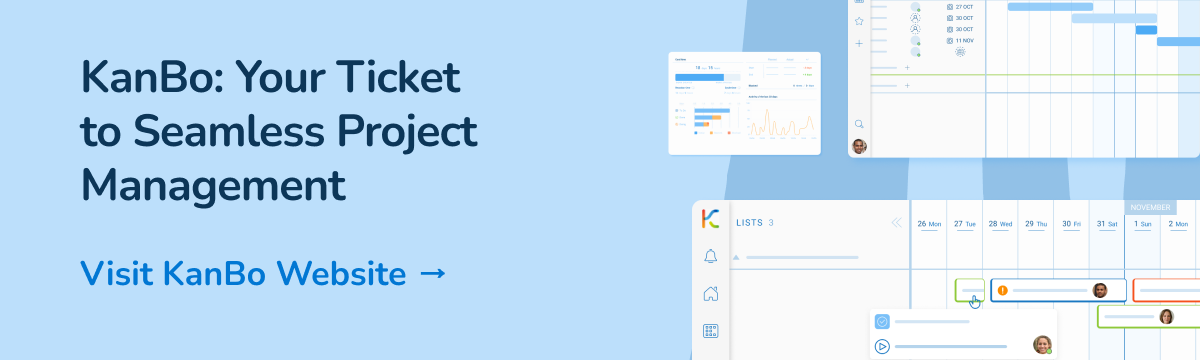
In addition, KanBo offers a range of features to support pharmaceutical engineering tasks. It allows users to create and manage document repositories, ensuring that all relevant documentation and specifications are easily accessible and up-to-date. KanBo also supports different views, such as Gantt charts and mind maps, which can be helpful in visualizing complex project structures and improving planning and execution.
Furthermore, KanBo’s ability to integrate with various technology platforms makes it a versatile and comprehensive solution for pharmaceutical companies. Whether it’s SharePoint, Microsoft Office 365, Google Suite, AWS, or Salesforce, KanBo seamlessly integrates and maximizes the ROI on existing infrastructure investments, providing a unified and streamlined workspace for employees.
In conclusion, while KanBo excels in facilitating partnerships and collaborations in the pharmaceutical industry, its capabilities extend far beyond that. With its focus on task alignment, communication, and collaboration, KanBo empowers pharmaceutical companies to streamline operations, improve cross-functional collaborations, and enhance leadership efficiency, ultimately contributing to the success of drug development projects.